
Plastic
Brilliant or perverse?
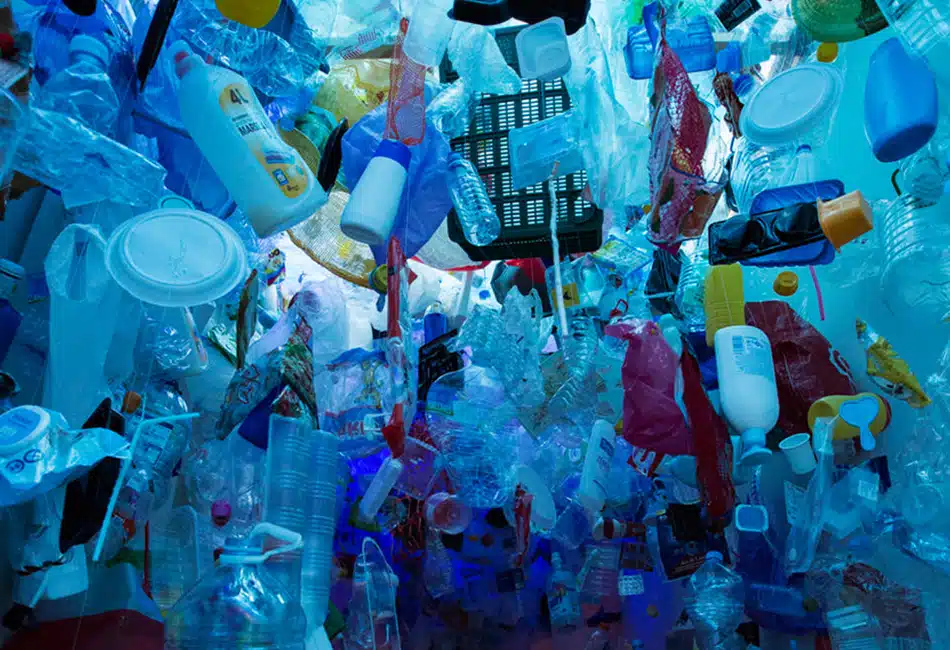
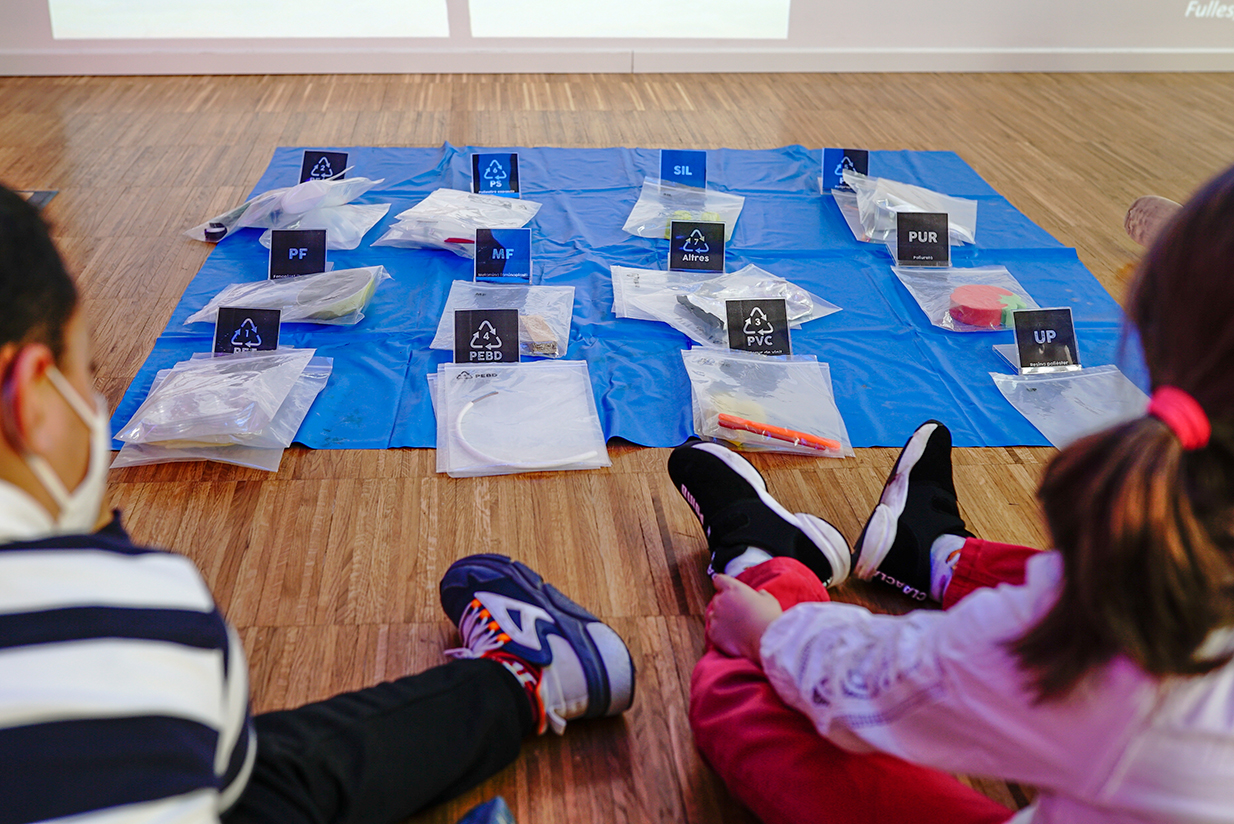
Let us reflect on a material that has transformed our lives. What is plastic? What types are there? How do we use it? Through observation, interaction, and dialogue, we will discover what this fascinating material is and how it has become omnipresent and indispensable in our lives.
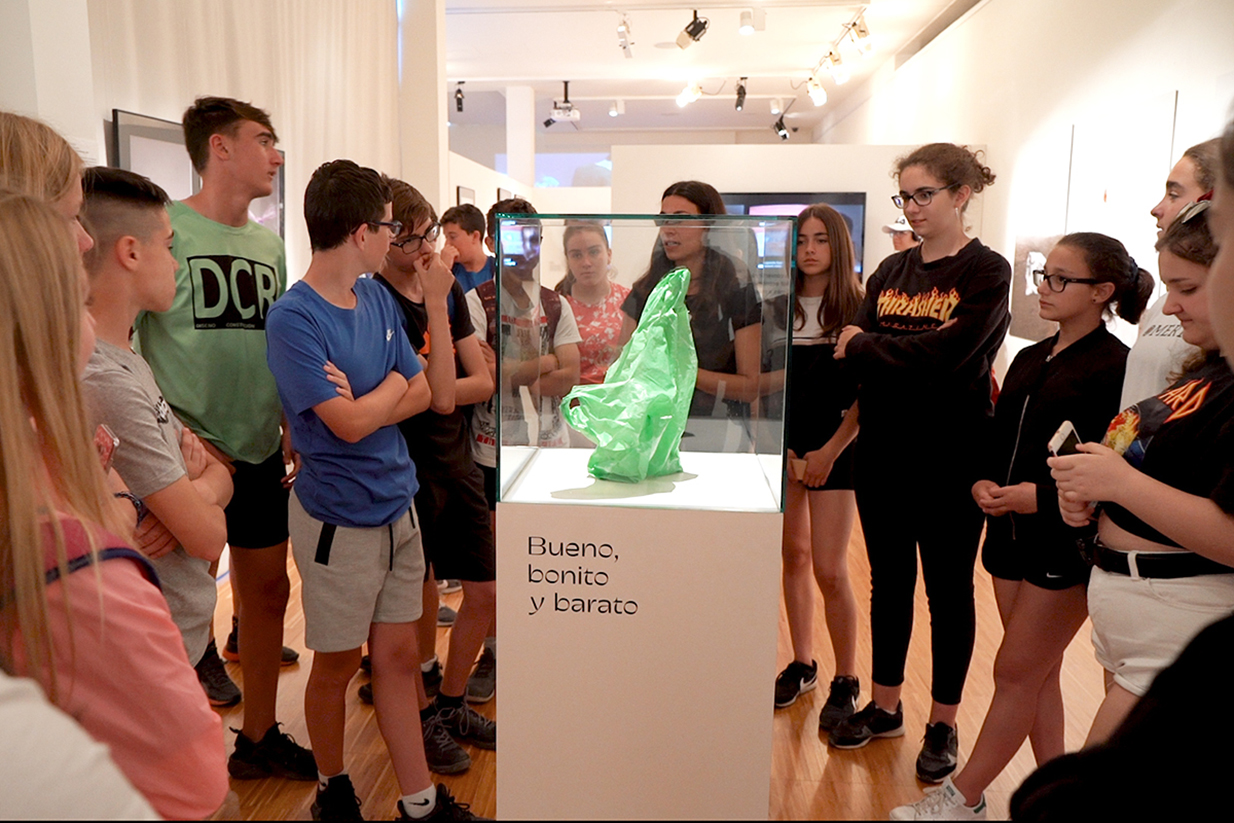
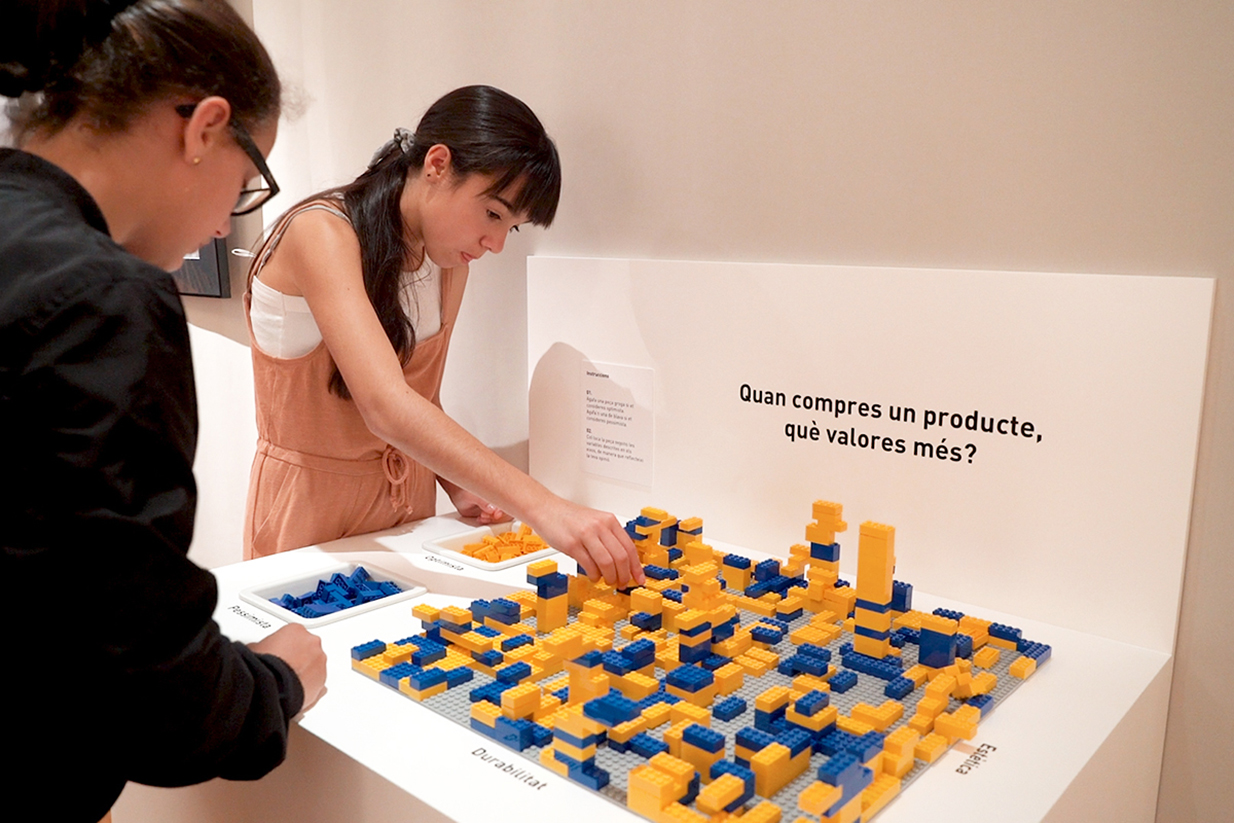
A selection of museum objects contrasted with their plastic counterparts will help us reflect on the value of objects and how, after their often too ephemeral use, we come to consider them waste. Guided by various artists, we will be prompted to question our relationship with plastic, helping us to reflect on it from many different perspectives.
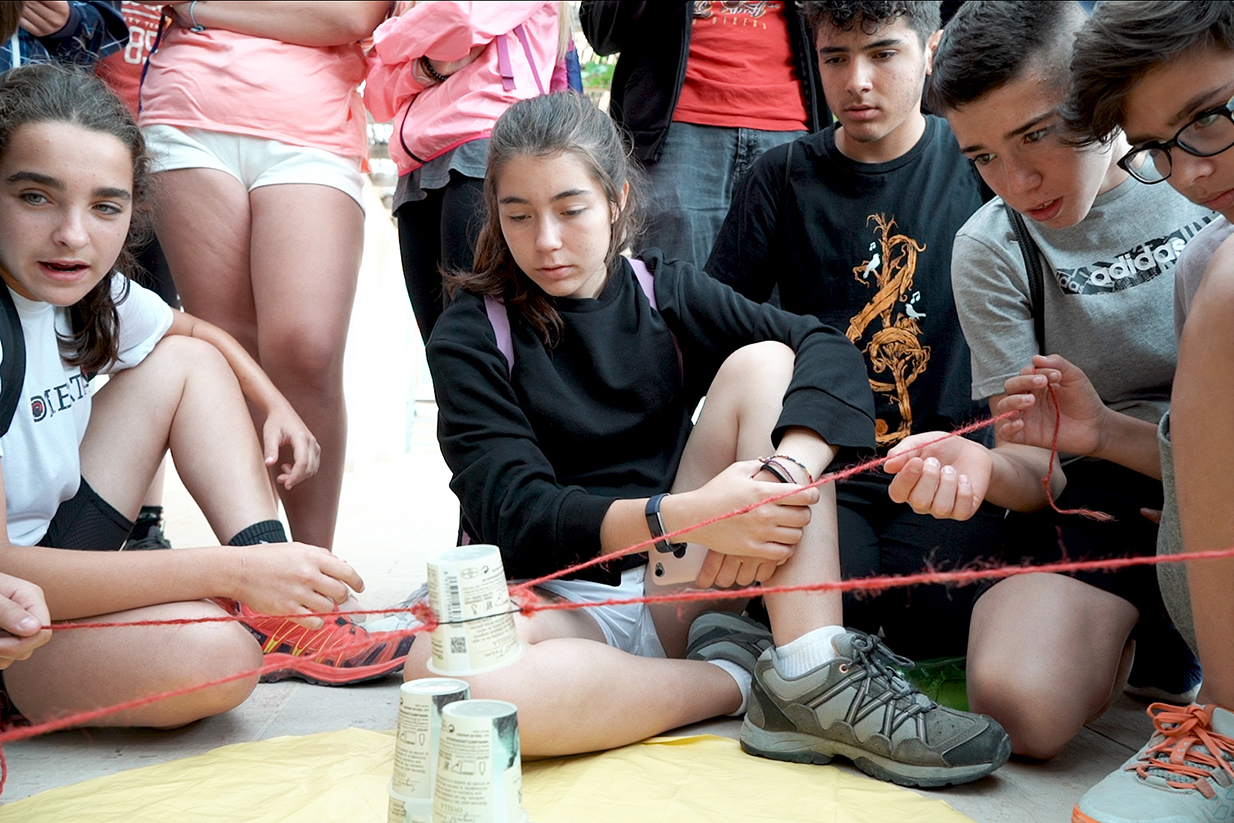
With the power of art to stimulate our emotions and challenges in game format, we will seek new meanings and creative associations with this almost perfect and durable material, which, for that very reason, has become one of the planet's main threats.
This is the educational proposal linked to the exhibition Plastic.
EDS
Competencies for Sustainable Development Education
Systemic thinking competence
Anticipation competence
Strategic competence
Collaboration competence
Critical thinking competence
Self-awareness competence
Integrated problem-solving competence
SDGs
Sustainable Development Goals
– Ensure inclusive, equitable, and quality education and promote lifelong learning opportunities for all.
– Promote sustained, inclusive, and sustainable economic growth, full and productive employment, and decent work for all.
– Ensure sustainable consumption and production patterns.
– Take urgent action to combat climate change and its
impacts.
– Conserve and sustainably use the oceans, seas, and marine resources for sustainable development.
– Protect, restore, and promote the sustainable use of terrestrial ecosystems, sustainably manage forests, combat desertification, halt and reverse land degradation, and halt biodiversity loss.


Objectives
Understand the characteristics, properties, and history of plastic.
Discuss one of humanity's main challenges.
Realize how the problems we generate are complex and require a similarly complex and holistic response.
Learn about the circular economy and how it can be applied in this case.
Reflect through artistic works on our relationship with objects, especially those made of plastic.
To foster critical thinking and cooperative work.
Become empowered and an active part of the solution to the problem.
Location
L'Espluga de Francolí
Duration
2 h
Fee
€3.90 per student
Level
CM, CS, ESO, BAT, CF and EE
Availability
Throughout the school year
Groups
Class group
More information and bookings
educacio@museuterra.cat
977 870 576
Pre-book the activity or request more information and we will contact you.
Basic information on data processing (Regulation (EU) 2016/679)
You can view the full privacy policy at this link
| Data Controller | Please be advised that FUNDACIÓ CARULLA (hereinafter FC), with its registered office at Carrer dels Almogàvers, 214, 08018, Barcelona, and which also includes MUSEU TERRA, Carretera de Montblanc, 35, 43440 L'Espluga de Francolí, is the data controller for your personal data. |
| Purpose | Sending informative communications. |
| Legal Basis | Consent of the data subject. |
| Recipients | Beyond this use, data will not be transferred to third parties, unless required by law or necessary to fulfill the purpose of processing. |
| Rights | Access, rectification, and erasure of data, as well as the other rights explained in the privacy policy. |
