Plastic. Brilliant or perverse: How do you see it?
Temporary Exhibition
Self-produced

Temporary exhibition
For all audiences
When?
February 15, 2019 – January 5, 2020
03.10.2024 – 12.07.2025
Check the opening hours of Sala Barcelona
Where?
Museu de la Vida Rural
Admission Fee
€3
free with museum admission
Fire illuminates, fertilizes, purges, and purifies. Fire regenerates, sublimates. But it also devours, burns, consumes, and destroys: it is war, the apocalypse, eternal damnation, the great threat.
An exhibition about one of the materials that have most changed our lives.
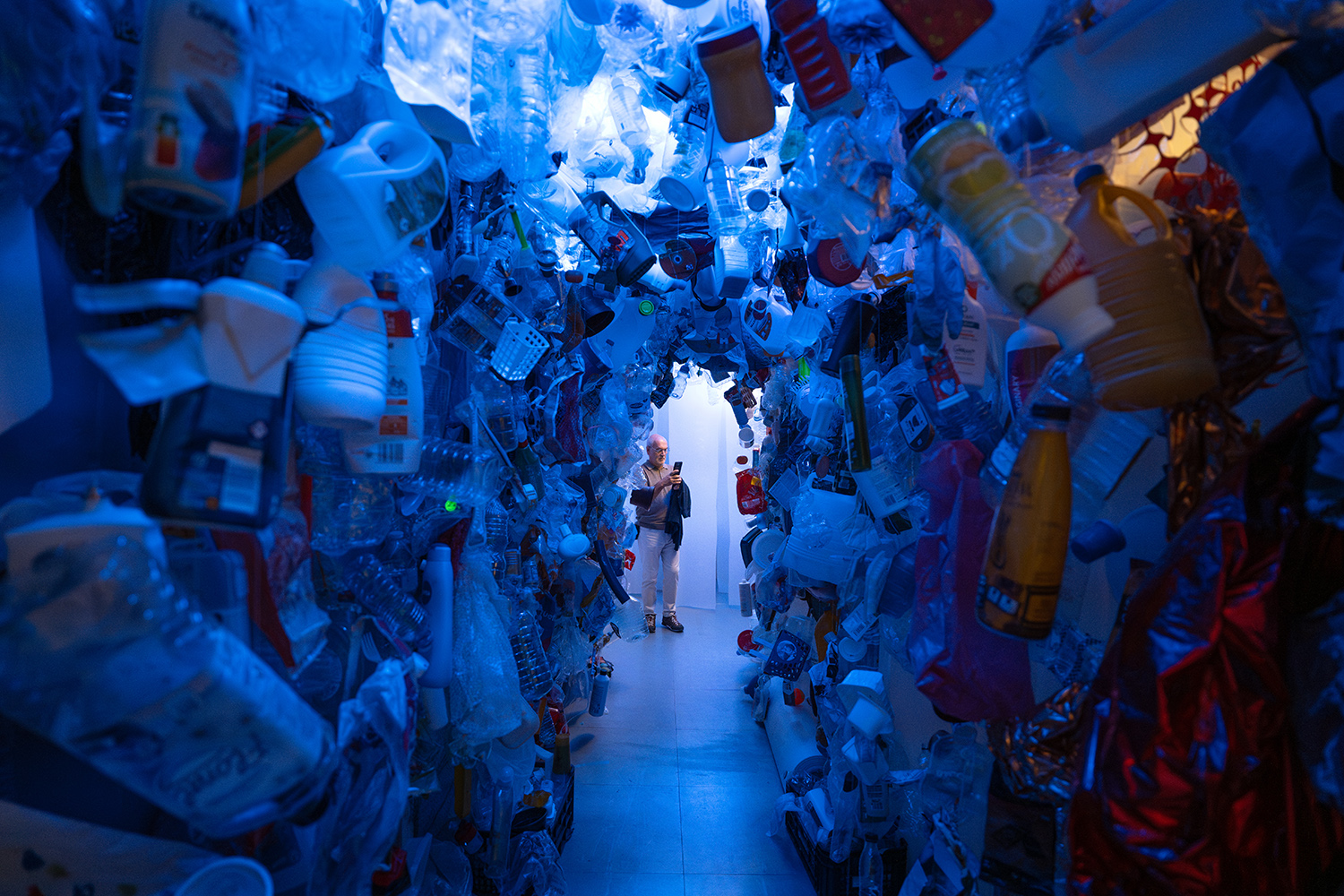
Where lies the balance between the use and abuse of plastic? Its economic, versatile, resistant, and durable nature has brought about great changes in our lives, offering significant advantages, but also major drawbacks. Its omnipresence has become a significant threat that severely affects ecosystems and, consequently, our lives.
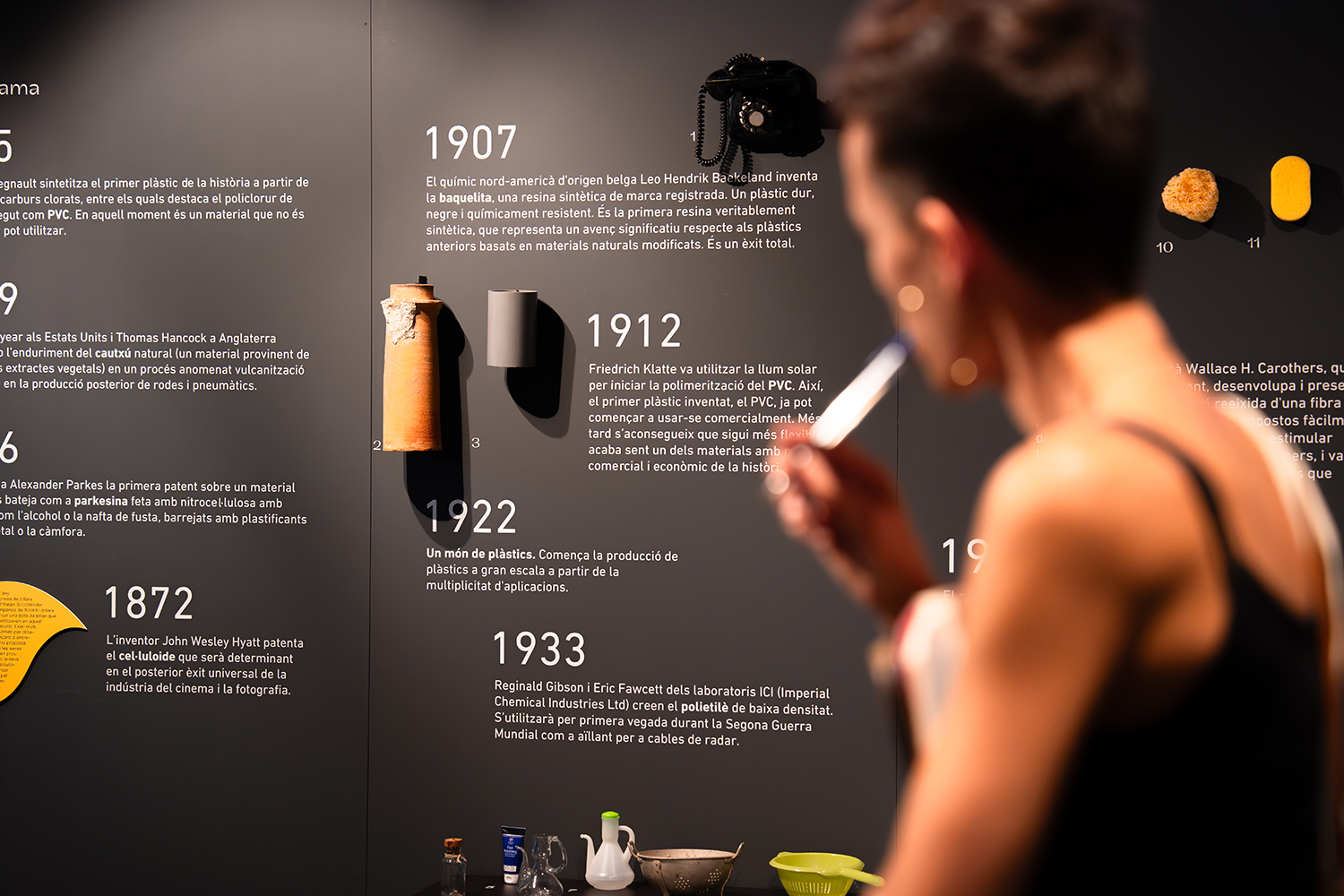
“Plastic”, the second in-house exhibition by the Museu de la Vida Rural of the Fundació Carulla, invites us, through visual arts, to explore the history of plastic, offers us various perspectives on this material and prompts us to reflect on its current use.
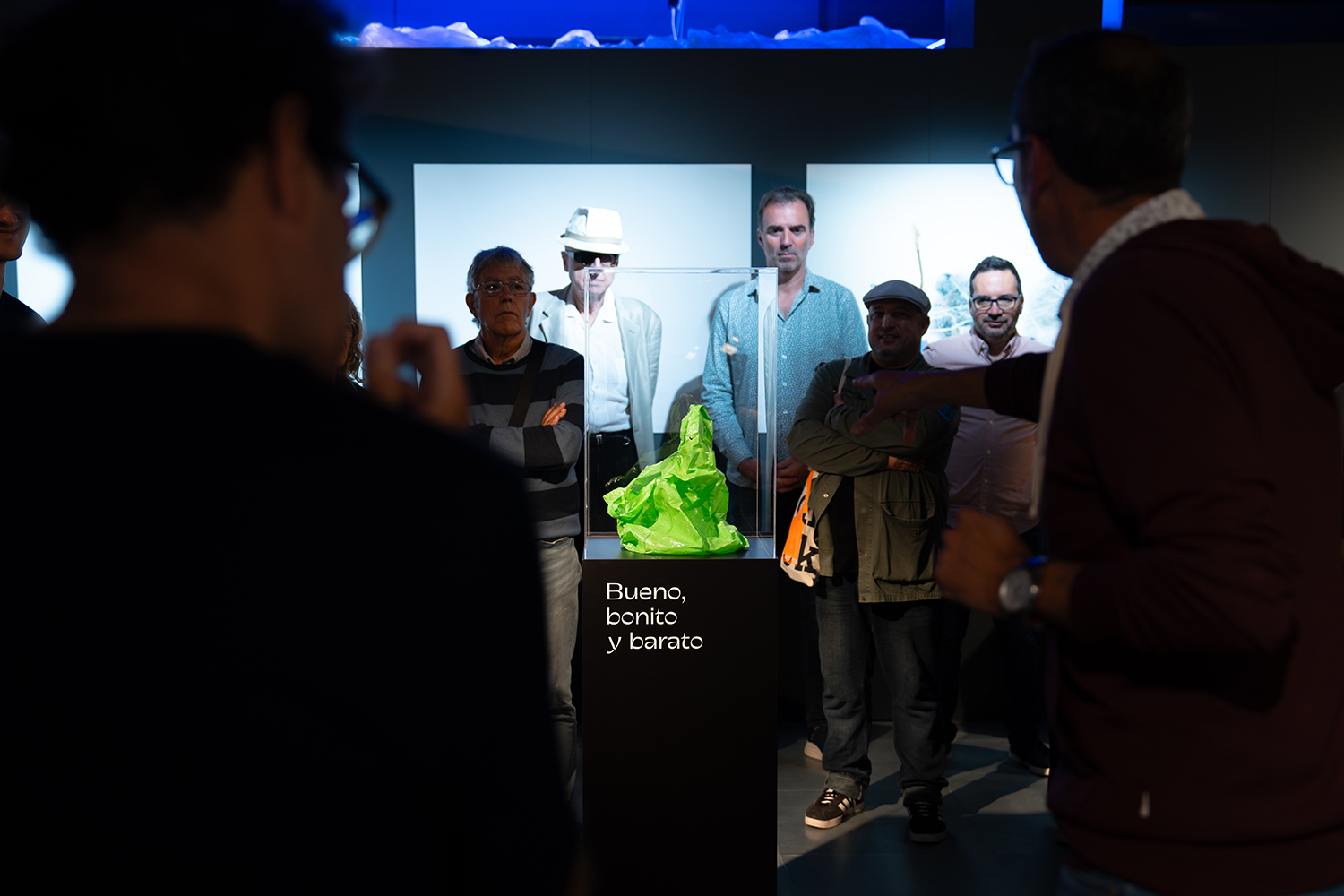
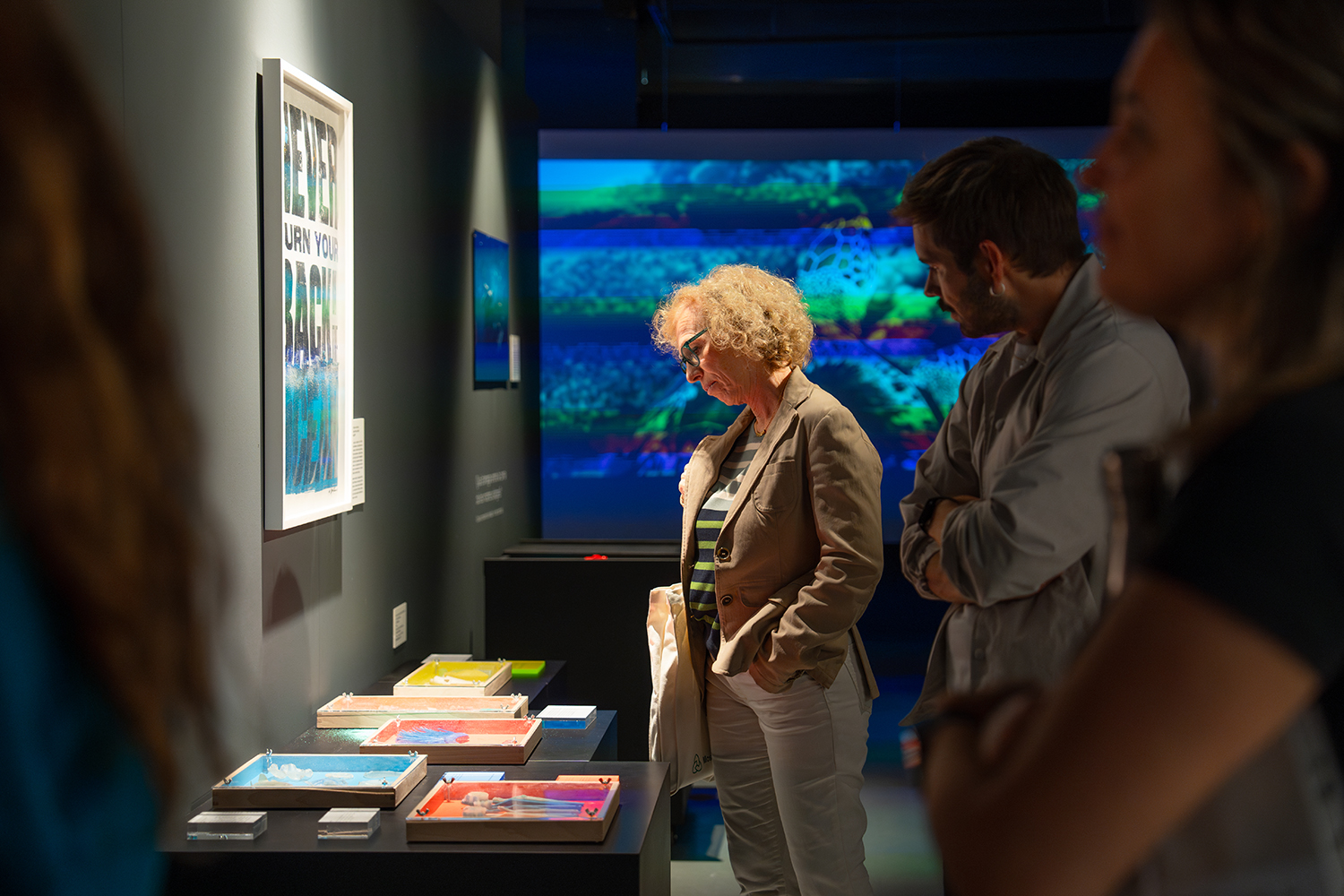
Curated by Núria Vila, the exhibition features the participation of some twenty local and international artists and brings together objects from the Museu de la Vida Rural collection, photographs, videos, and artistic installations that constantly challenge and ask: “How do you see it?”.
It features voices, both young and old, from the worlds of art, science, architecture, design, cinema, philosophy, and education, but, above all, everyone who visits participates by contributing their vision.
Divided into four sections –The Plastic Era, The Object, The Persistence and Abundance–, the exhibition features works by artists Aleksey Kondratyev, Basurama, Coke Bartrina, Domestic Data Streamers, Elsa Yranzo, Ester Partegàs, Ida-Marie Corell, Ivana Larrosa, Lucas Hope, Mandy Barker, Nick Pumphrey, Núria Val, Octavi Serra, Pepi de Boissieu, Samuel Rodríguez, Sean Lin, Sil van der Woerd, Sílvia Conde and Sophie Thomas.
A Brilliant Invention
Since the invention of Parkesine in 1856, plastic has revolutionized human life. It is a resistant, economical, lightweight, waterproof, insulating, and durable material. The advantages of plastic in social, technological, and especially medical fields are unquestionable.


A Perverse Invention
Plastic has become one of the main threats to the ecosystem. Most plastic does not disappear; instead, it decomposes into microparticles. In 2018, the presence of microplastics in human feces was discovered for the first time.
A Perverse Invention
Plastic has become one of the main threats to the ecosystem. Most plastic does not disappear; instead, it decomposes into microparticles. In 2018, the presence of microplastics in human feces was discovered for the first time.
Educational Program
The educational focus is central to the exhibition. The exhibition includes a program specially designed for schools that delves into the thematic content.
This activity is aimed at the following educational levels: middle and upper primary education, secondary education, baccalaureate, vocational training, and special education.

Plastic
Brilliant or perverse?
Image Gallery
Audiovisual Content and Articles

Article | Plastic: Ingenious or Perverse?
By Gemma Carbó, Director of the Museum of Rural Life

Article | Does the future demand bioplastics?
By Ricard Jiménez Buendía, Scientific Director of Industrial Technologies at Eurecat

Article | Youth and Future
By Gemma Carbó, Director of the Museum of Rural Life
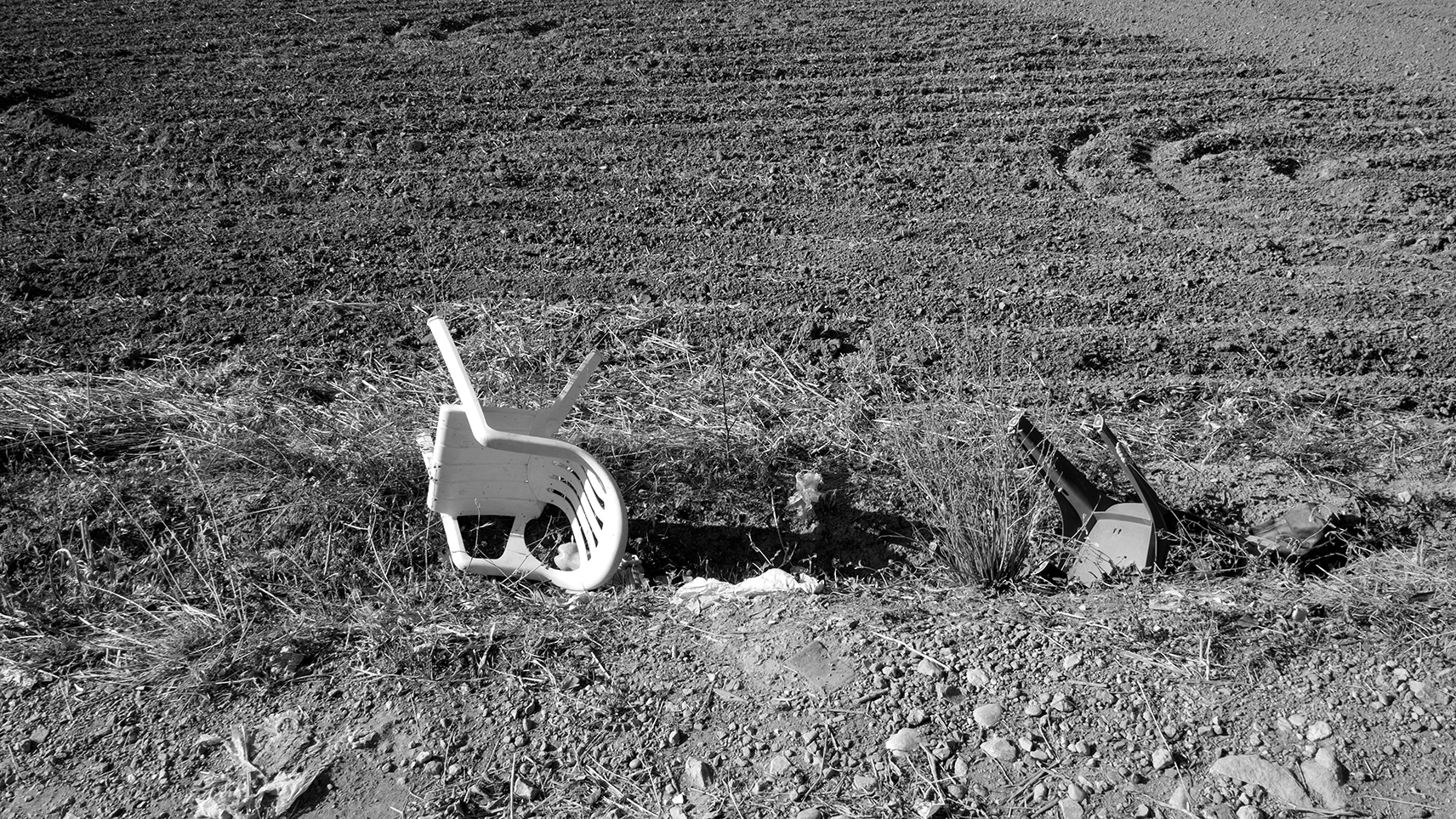
Article | As a child, I never left home alone in my city
By Jordi Font Recasens, photographer

Article | The Object
By Manuel Polanco, architect and founding member of Basurama
Video | News on Espluga FM Ràdio and TAC12
With an interview with the exhibition's curator, Núria Vila
Video | Questions about the exhibition
The Director of the Carulla Foundation, Marta Esteve, the Director of the Museum of Rural Life, Gemma Carbó and the exhibition's curator, Núria Vila, answer some questions about the exhibition.
Video | Inauguration Ceremony Highlights
Relive some of the best moments from the inauguration of the Museu de la Vida Rural second in-house exhibition.
Credits
PRODUCTION
Museu de la Vida Rural – Fundació Carulla
CURATION AND GRAPHIC DESIGN
Núria Vila
EDUCATIONAL PROJECT
Còdol Educació
AUDIOVISUALS
Lucas Hope, Jordi Robert and Albert Grinyó
PHOTOGRAPHIC LABORATORY
Còpia Lab
GRAPHIC PRODUCTION
Grup Bou
CARPENTRY
Fusteria Mercadé
CURTAINS
La Renovació
GALLERIES
Galeria Nogueras Blanchard
TRANSPORT
Abbot & Abbot Box Corporation
Pack & Send Reading
Trans Policap
TRANSLATIONS
Edicions a Petició
TEXT CORRECTIONS
Edicions a Petició
ARTISTS
Lucas Hope, Coke Bartrina, Núria Val, Pepi de Boissieu, Aleksey Kondratyev, Ida-Marie Corell, Ester Partegàs, Sílvia Conde, Ivana Larrosa, Octavi Serra, Mandy Barker, Sophie Thomas, Nick Pumphrey, Samuel Rodríguez, Elsa Yranzo, Sil van der Woerd, Jorik Dozy and Sean Lin.
OUTDOOR INSTALLATION
Basurama, with the collaboration of Sandro Cobo, Christina Ioannou, Pablo Paniagua and Mirielle Robles
INDOOR INSTALLATIONS
Núria Vila and Mister Carton
DATA BRICKS
Domestic Data Streamers
EXHIBITION TEXTS
Eulàlia Bosch, EURECAT and Manuel Polanco Pérez-Llantada
ACKNOWLEDGEMENTS
Alex Nogueras, Rebeca Blanchard, Tamara Piña, Anna Badia, Albert Benítez, Pere Clemente, Sebastià Llorens, Llorens gmr, Família Franquès-Martí, Montse Ruiz Echezarreta, Mary Lennox, Yuka Tanaka, Alexandra de Requesens, Pep Quílez, David Rovira, Maria Àngela Anguera, Maria Assumpció Carulla, Ramon Joan Roselló, Anna Badia, Marta Domènech, Ramon Daví, Jordi Daví, Pruden Panadès and Mireia Quincoces.
FUNDACIÓ CARULLA
President: Nicolau Brossa i Carulla
Director: Marta Esteve i Zaragoza
MUSEU DE LA VIDA RURAL
Director: Gemma Carbó i Ribugent
Conservation and Documentation: Ramon Rosich and Montse Cabal
Cultural Action: Albert Carreras
Communications: Roger Òdena
Maintenance: Joan Roca and Jackeline Campo
Organizer


with the support of



in collaboration with



Part of the funds that finance this exhibition comes from the assets of the Inheritance Board of the Government of Catalonia.