
From the Neolithic to the Re-evolution of Agriculture
Prehistory and Agriculture

From the most remote origins to the present, to rethink a sustainable future for life on the planet.
What was the impact of the Neolithic revolution on humanity? How did humans transition from gatherers and hunters to farmers and herders? How did the first farming communities live? From the Paleolithic to the Neolithic, from nomadism to sedentarism. From gathering and hunting to agriculture and livestock farming, to reach the present moment and reconsider the path to agricultural sustainability in the present and future.
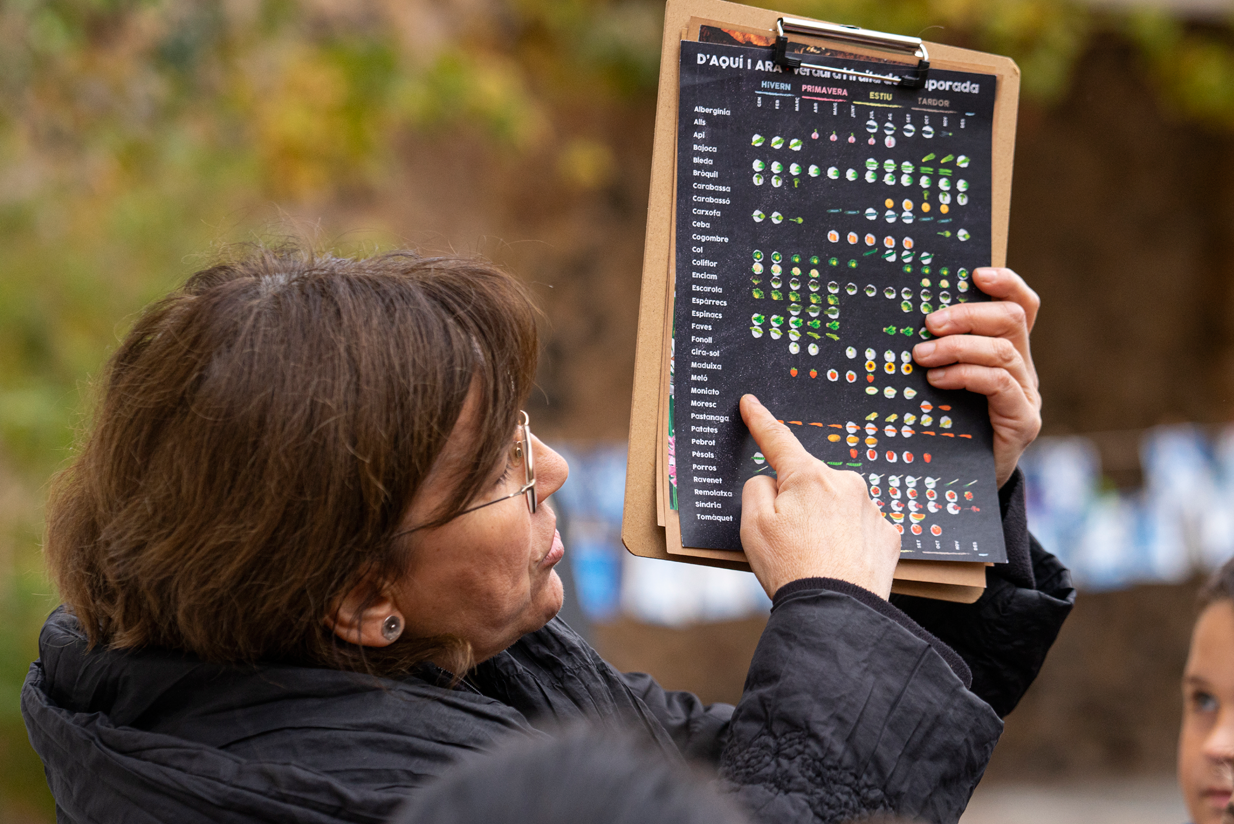
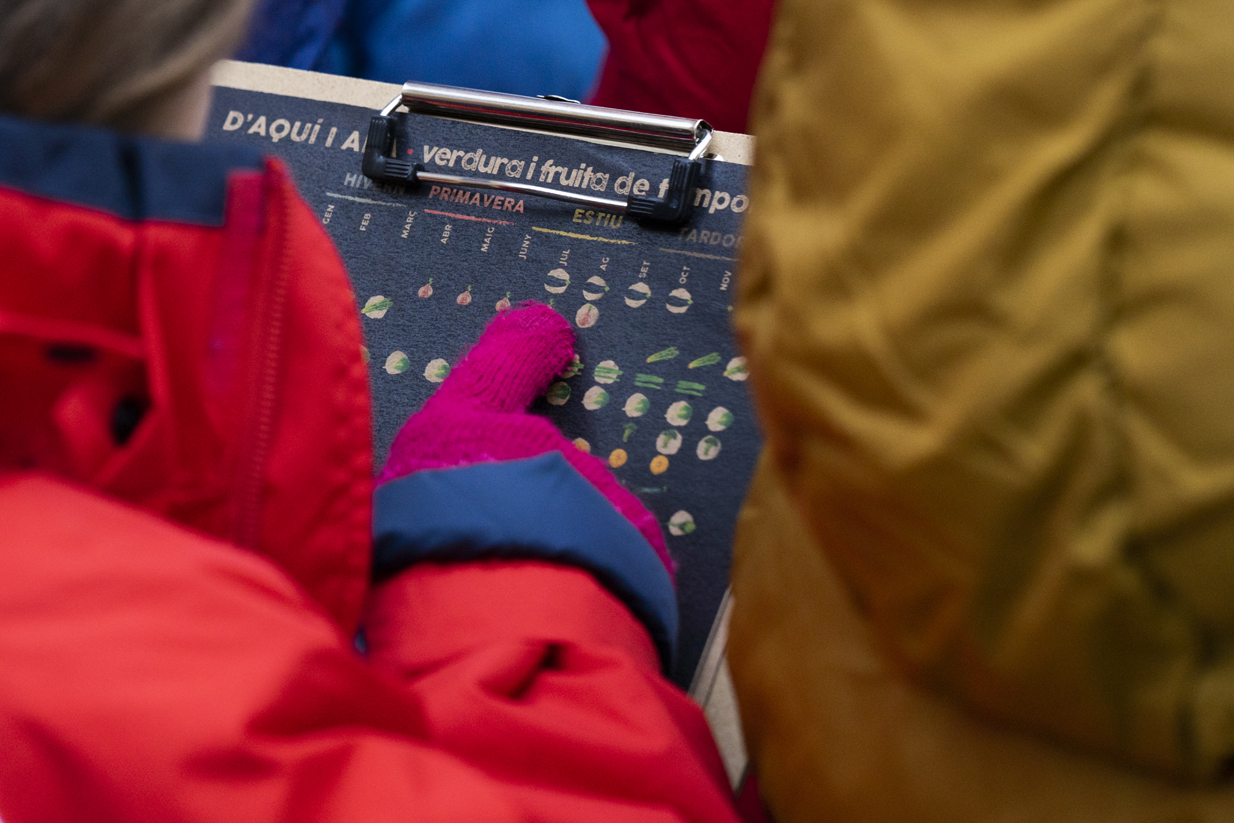
In the museum halls, and through observation, dialogue, and participatory dynamics, we will discover the beginnings of agriculture with the Neolithic revolution, and how the land was worked to obtain food throughout the annual cycle. The work and life of farming families centered on three crops: vines, wheat, and olive trees. Throughout this journey, we will discover what tools and implements farmers used to cultivate the land and produce their food, from the Neolithic sickle to modern machinery. Recovering essential values such as effort, saving, foresight, not wasting anything... And, above all, the importance of caring for the land.
We recommend combining this activity with the Visit to the Caves of L'Espluga de Francolí.
EDS
Competencies for Sustainable Development Education
Systemic Thinking Competence
Anticipatory Competence
Strategic Competence
Collaboration Competence
Critical Thinking Competence
Self-Awareness Competence
Integrated Problem-Solving Competence
SDGs
Sustainable Development Goals
- End hunger, achieve food security and improved nutrition, and promote sustainable agriculture.
- Ensure healthy lives and promote well-being for all at all ages.
- Ensure inclusive, equitable, and quality education and promote lifelong learning opportunities for all.
- Achieve gender equality and empower all women and girls.
- Promote sustained, inclusive, and sustainable economic growth, full and productive employment, and decent work for all.
- Protect, restore, and promote the sustainable use of terrestrial ecosystems, sustainably manage forests, combat desertification, halt and reverse land degradation, and halt biodiversity loss.


Objectives
Understand the origins of agriculture.
Appreciate the enormous revolution that agriculture represented for humans.
Understand the origins of staple products: bread, wine, and oil as the basis of our diet.
Appreciate the Mediterranean diet.
Learn to respect plants and living beings in the garden.
To raise awareness about future challenges related to sustainable food.
To foster critical thinking and cooperative work.
Location
L'Espluga de Francolí
Duration
2 h
Fee
€3.90 per student
Level
CS, ESO, BAT and CF
Availability
Throughout the school year
Groups
Class group
More information and bookings
educacio@museuterra.cat
977 870 576


Pre-book the activity or request more information and we will contact you.
Basic information on data processing (Regulation (EU) 2016/679)
You can view the full privacy policy at this link
| Data Controller | Please be advised that FUNDACIÓ CARULLA (hereinafter FC), with its registered office at Carrer dels Almogàvers, 214, 08018, Barcelona, and which also includes MUSEU TERRA, Carretera de Montblanc, 35, 43440 L'Espluga de Francolí, is the data controller for your personal data. |
| Purpose | Sending informative communications. |
| Legal Basis | Consent of the data subject. |
| Recipients | Beyond this use, data will not be transferred to third parties, unless required by law or necessary to fulfill the purpose of processing. |
| Rights | Access, rectification, and erasure of data, as well as the other rights explained in the privacy policy. |
